Pink Himalayan Salt Block .

How to Use a Himalayan Salt Block for Cooking (Step-by-Step Guide)

When you have to cook food, you use different ingredients for every single dish. It is definite that every meal needs proper preparation, and each one of them contains some special ingredient that adds taste and significance to it. One ingredient that is a must in every single dish is salt. If you do not add just the right amount of salt in your dishes, you will never get the taste, no matter how hard you try.

On top of that, if you use the Pink Himalayan salt block, it is going to be an excellent way to add a subtle yet mineral-rich flavor to your food. These blocks are carved from salt deposits, and they also work differently from your standard cookware. They add the kind of taste to your food that cannot come from any other way.

We know you’re not aware of how to use this salt slab, and that is exactly what we are going to assist you with. Let’s get into the details and help you understand how to master the art of using these salt blocks.

Step 1: The “Tempering” of Salt Block 

If you have just recently purchased the block, the first thing that you have to understand is that you should never heat it immediately. It has some amount of moisture that should always be evaporated slowly to prevent it from exploding when you use it.

You should gradually heat the block in stages on low to medium heat before cooking. You should then turn the oven off. Then let the salt block cool down completely to room temperature without taking it out of the oven.

Step 2: Gradual Heating

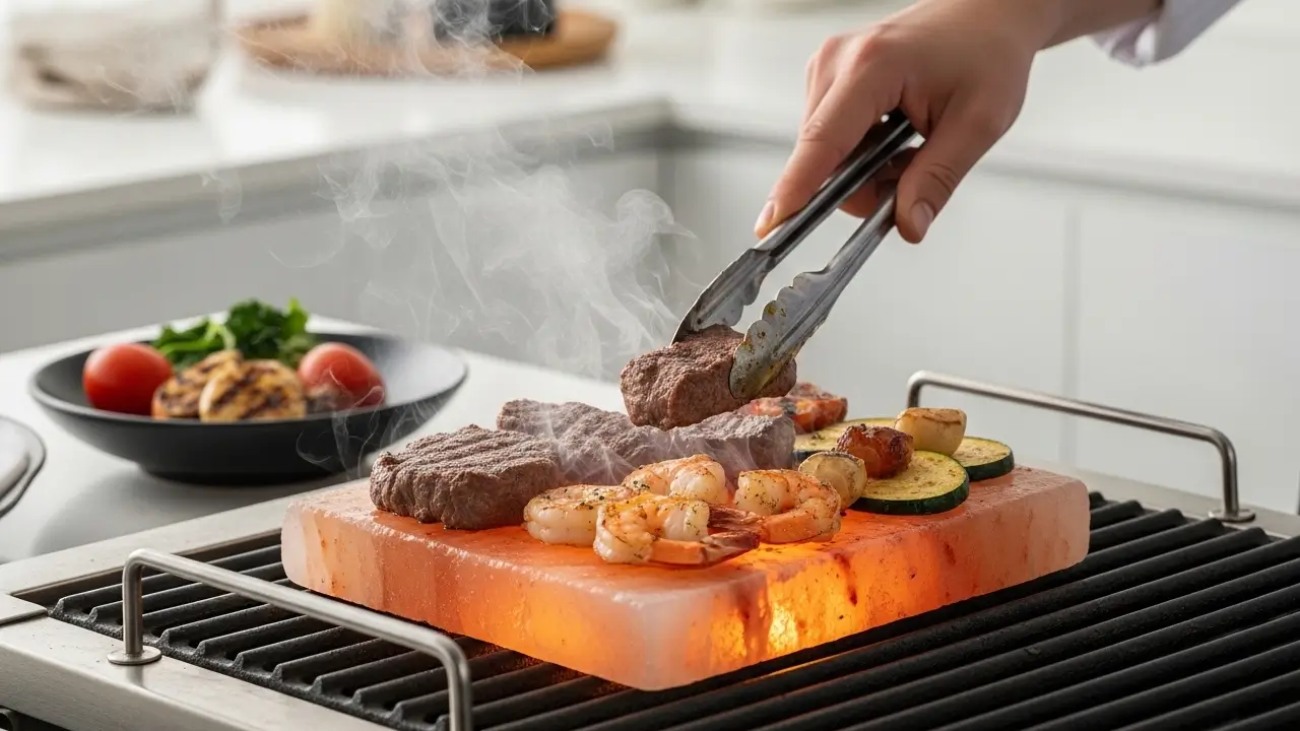
If your pink salt block has ever cracked, know that thermal shock is one of the main causes for that. The solution for it is to always heat the block in stages. The first thing that you have to do is place the block on the gas range, or you can also put it on the grill. You then need to set the flame to really low for almost 20 minutes.

You should then slowly increase the heat for the next few minutes. At the end, you should turn the heat to high for at least ten minutes. To check if it is ready, you can also put a drop of water on the block of salt. If the water evaporates instantly, then know the block is ready.

Step 3: Cooking Your Meal

One thing that people are not aware of is that the Himalayan cooking salt slab has amazing heat retention. If you’re cooking meat or vegetables, you should always use thinly sliced ones because they quickly cook and also absorb the right amount of salt. You should also never use butters or oils on these blocks because they can go into the pores and also can turn rancid. 

Another important thing that people should know is that speed is always the key because the longer the food remains on the block, the saltier it will get. You should remove the food from the block as soon as it is cooked according to your needs.

Step 4: Cooling and Cleaning

The last step is cooling and cleaning of the salt slab. You should let the block cool down for almost 2 to 3 hours, and you must also never put this block underwater, right after taking it off the stove. You can use a sponge or even a soft brush to scrub away the particles. Do not use soap at any cost because the salt is antimicrobial, and the soap is going to completely ruin the flavor.

Lastly, you have to just pat it dry right away with any clean cloth to make sure the slab is clean.

Bottom Line

Most people think that cooking with a salt block is really difficult because we are unaware of how to use it for proper cooking but it is actually not that tough. There are some simple steps that you have to follow to get just the right taste, and this salt block will definitely replace all your cookware.

With that being said, if you want to purchase a Pink Himalayan Salt Block and are looking for a business to do so, then you must get in touch with us at Crest Pink Salt

FAQs

How is a pink salt block different from regular cooking surfaces?

A salt block is known to be a semi-porous crystal, and it gives complex flavors because it contains up to 84 trace minerals, and it also helps in distributing the heat more evenly than most of the traditional pans.

What is a Himalayan cooking salt slab used for?

Some of the most famous dishes include seafood, steak, and veggies, but it is also perfect for a chilled serving platter. You can freeze the block completely to serve sushi or even some of the gourmet chocolates because it is going to keep them cold and seasoned for so many hours.

What is the correct way to heat a salt block without cracking it?

The only correct way to heat a salt block is low and slow because you should never place the block on any burner or preheated grill directly. You need to increase the temperature slowly and gradually because this way you can avoid causing any structural fractures.

How should you store a cooking salt slab?

Salt can easily pull moisture from the air, so you should always store it in a dry and cool place. If you live in a really humid environment, then you can also wrap it in a clean towel or use a plastic wrap, because it is going to help prevent sweating.
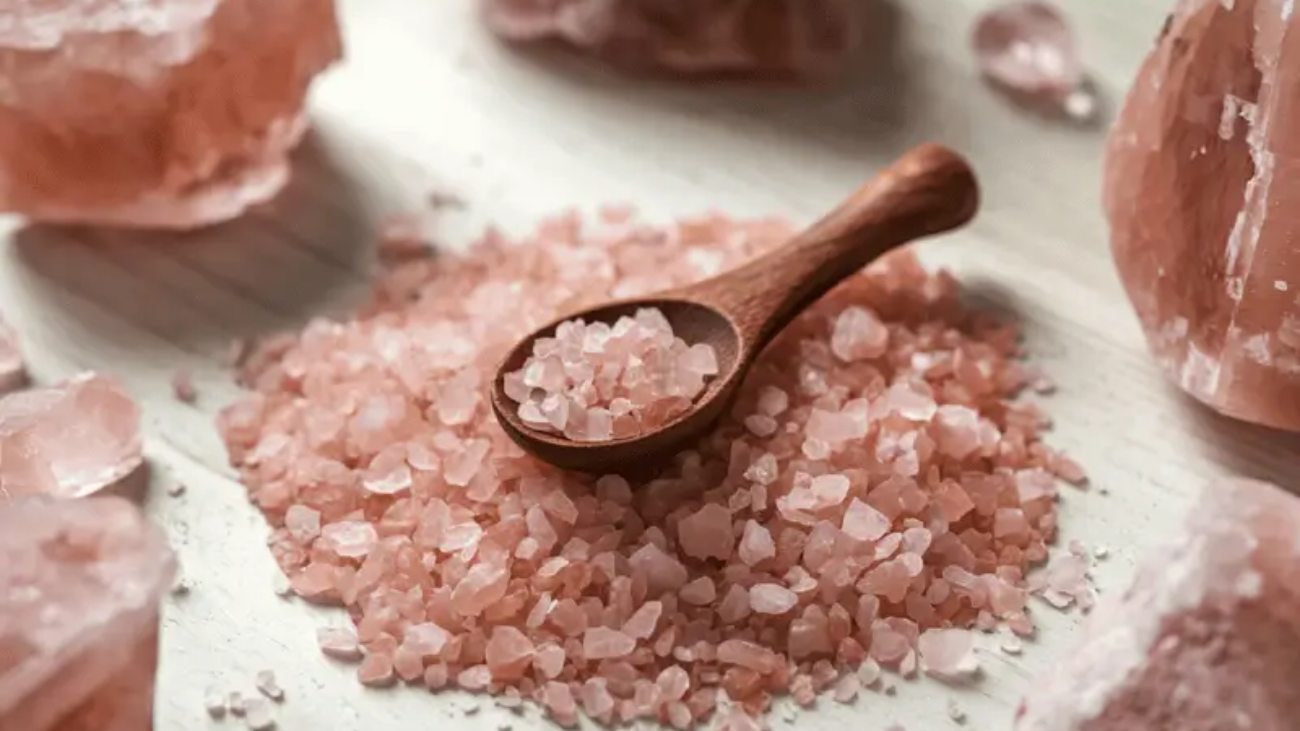
Himalayan Pink Salt

How Himalayan Pink Salt Is Mined (From Khewra to Kitchen)

Many people are aware that pink salt is known to be one of Pakistan’s most famous national exports, coming directly from the salt range in the Punjab region. It is definite that it takes a lot of different steps for making it reach from the deep underground to your kitchen grinder. There is a whole ancient history involved, and it also has geological formations and some traditional mining techniques to help it reach your dishes.

In the article below, we are going to talk about everything relevant to the Himalayan salt, so you can know the details, so the next time you’re adding it to your dishes, you know what you’re having.

The Origins: Where Does Pink Salt Come From?

The pink salt is gathered from the Khewra salt mine. It is directly located in the foothills of the Salt Range in Pakistan. This salt is known to be a remnant of an ancient inland sea. This is the sea that evaporated about 250 to 300 million years ago.

For so many years, the tectonic plate movements completely buried the salt deposits within the Earth. We cannot forget to mention the pink color that comes from all the trace minerals that are trapped in the salt crystals when we are talking about the pink salt. This colour specifically comes from iron oxide, potassium, and magnesium.

The Mining Process: From Mountain to Surface

Now that you’re aware of where the salt is coming from, you would want to know what exactly the mining process is and how it comes from a mountain to the surface to your kitchen. Let’s dig deeper and talk in detail about the mining process of this pink salt.

The sea salt is harvested through evaporation, but this is not how Himalayan salt is mined because it is mined like a mineral using a method known as room and pillar. This is the technique that is used to ensure the structural integrity of the mine while also allowing for extraction. 

There are three major steps that are involved in mining the pink salt that we are going to discuss below.

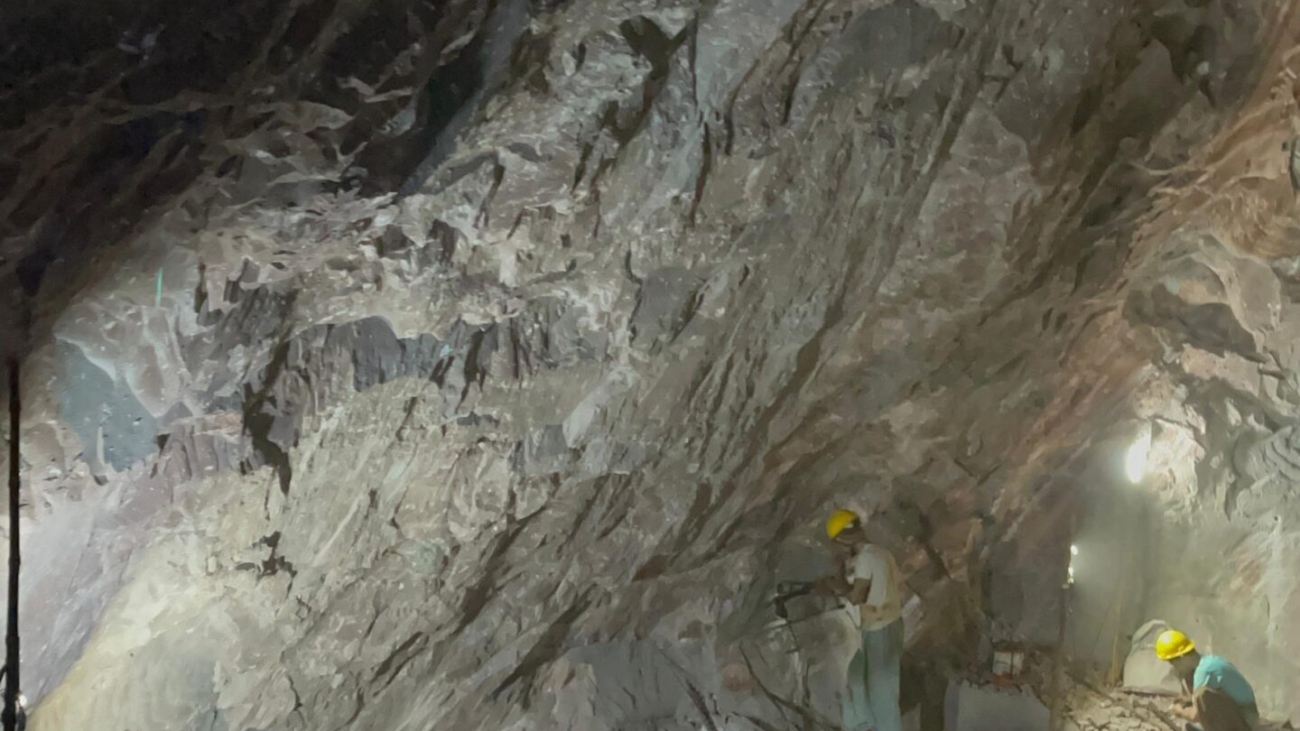
  • The first process includes exploration and blasting. Geologists thoroughly identify the salt seams in the mountains. There are small and controlled blasts that are used to completely break the rock salt into some manageable chunks.
  • The next step is the method that we have mentioned above, which is known as room and pillar extraction. Miners extract the salt from some specific areas that are known as rooms, while leaving massive columns of salt that are known as pillars to support the mountain’s weight above. Almost 50% of the salt is left behind, which is used to support the mountain.
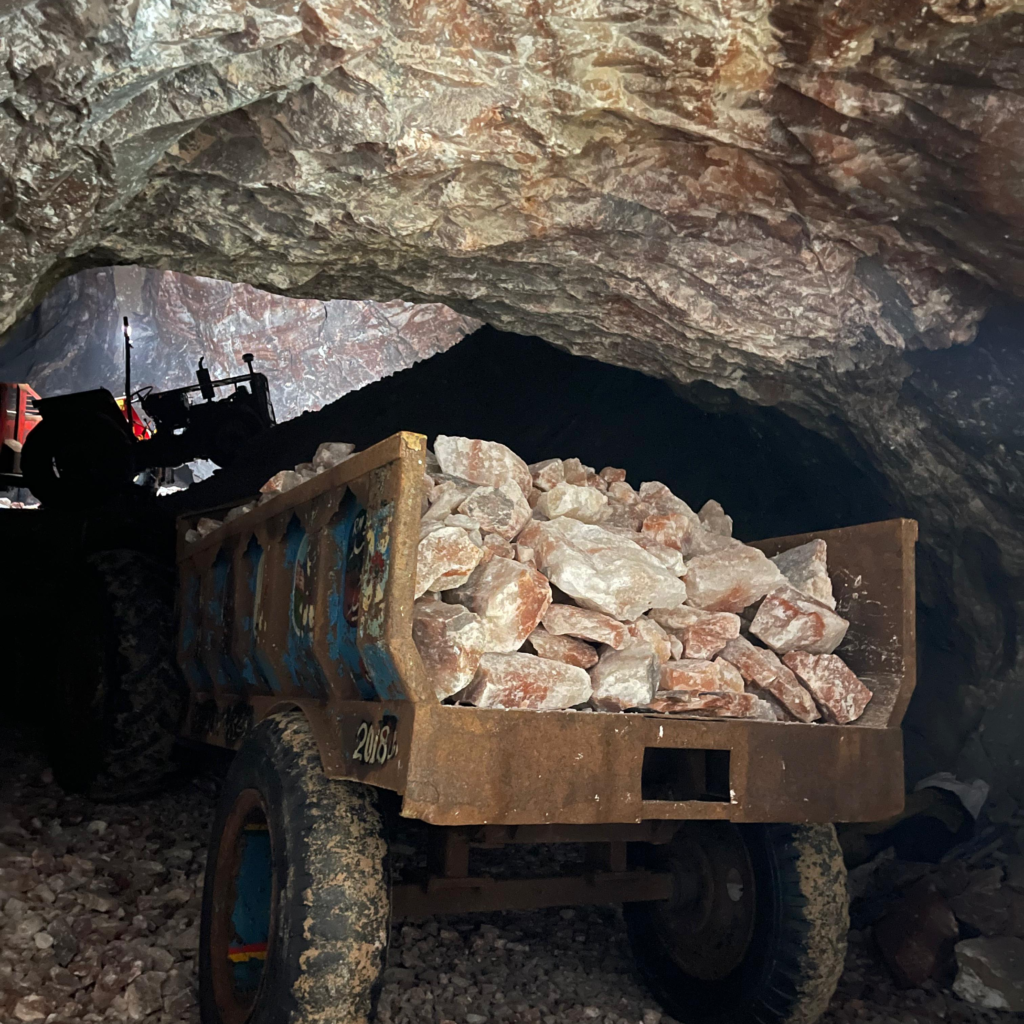
  • The last process is known as transportation. The raw boulders of salt are then loaded into small cars or onto the conveyor belt and then transported out of the tunnels.

Processing: Cleaning and Refining

The pink salt undergoes a really simple and chemical-free process to maintain its natural status once it reaches the surface. The workers sort the salt rocks manually. The salt rocks that are darker pink are used for decorative lamps, while the lighter ones are used for table salt. 

The rocks are then washed with pure water so all the external dust and debris are thoroughly removed. There is no usage of bleaching agents or chemicals, and that is exactly what makes the pink salt really popular. 

These salt pieces are crushed into thin pieces in large grinders that break the rocks into grain sizes and then from the crystals to fine powder. Salt is then kiln-dried to completely remove all the moisture before it is sealed and exported.

Bottom Line

The pink salt is known for all the benefits that it comes with because it is minimally processed and it’s completely free from all sorts of preservatives and additives. This salt can easily be used for your dishes, and you can also use it for seasoning purposes.

With that being said, if you’re looking for a business that sells authentic Himalayan Pink Salt and have not yet found one, then you must get in touch with us at Crest Pink Salt. You are definitely going to love the quality of our salt.

FAQ’s

How old are the Himalayan salt mines in Pakistan?

The deposits are about 250 million years old. But the Khewra mine was discovered in 326 BC. Modern mining of the Himalayan salt began during the British period in the 1870s.

How is pink salt mined from the mountains?

There is a method known as the room and pillar used for the mining of pink salt. The process involves drilling deep into the Salt Range. Then comes carving out the halls of salt while leaving some solid salt blocks behind so it can support the beams for the mine’s roof. 

How is pink salt cleaned and processed?

The process that is used is mechanical. It includes hand sorting by colours, then washing the blocks with water to remove all sorts of impurities, and then crushing them into specific grain sizes. It is then air-dried. It is not like common table salt because it is not refined with any sort of anti-caking agents.

whatsapp-image-2023-10-06-at-3-1

From Fine Powder to Large Chunks – Explore the Versatility of Crest Pink Salt

At Crest Pink Salt, we believe that Himalayan Pink Salt is more than just a seasoning – it’s a versatile ingredient that can elevate your culinary creations, improve your health, and even enhance your home decor. That’s why we offer a wide range of salt sizes, from fine powder to large chunks, to suit every need.

Our Product Range

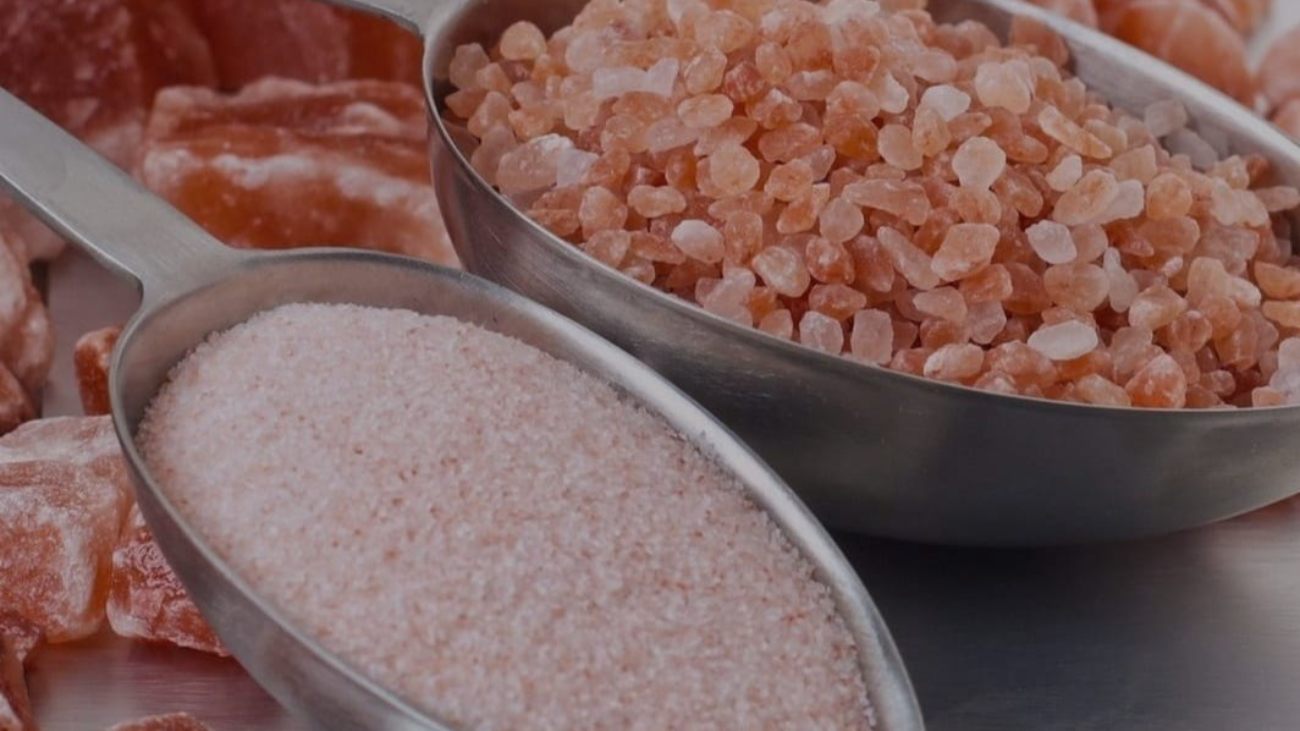
  1. Fine Pink Salt Powder: Perfect for seasoning, baking, and cooking.
  2. Fine Grain Pink Salt: Ideal for everyday use in the kitchen.
  3. Medium Grain Pink Salt (1-2 mm): Great for grinding and sprinkling.
  4. Coarse Grain Pink Salt (2-5 mm): Perfect for salt grinders and gourmet cooking.
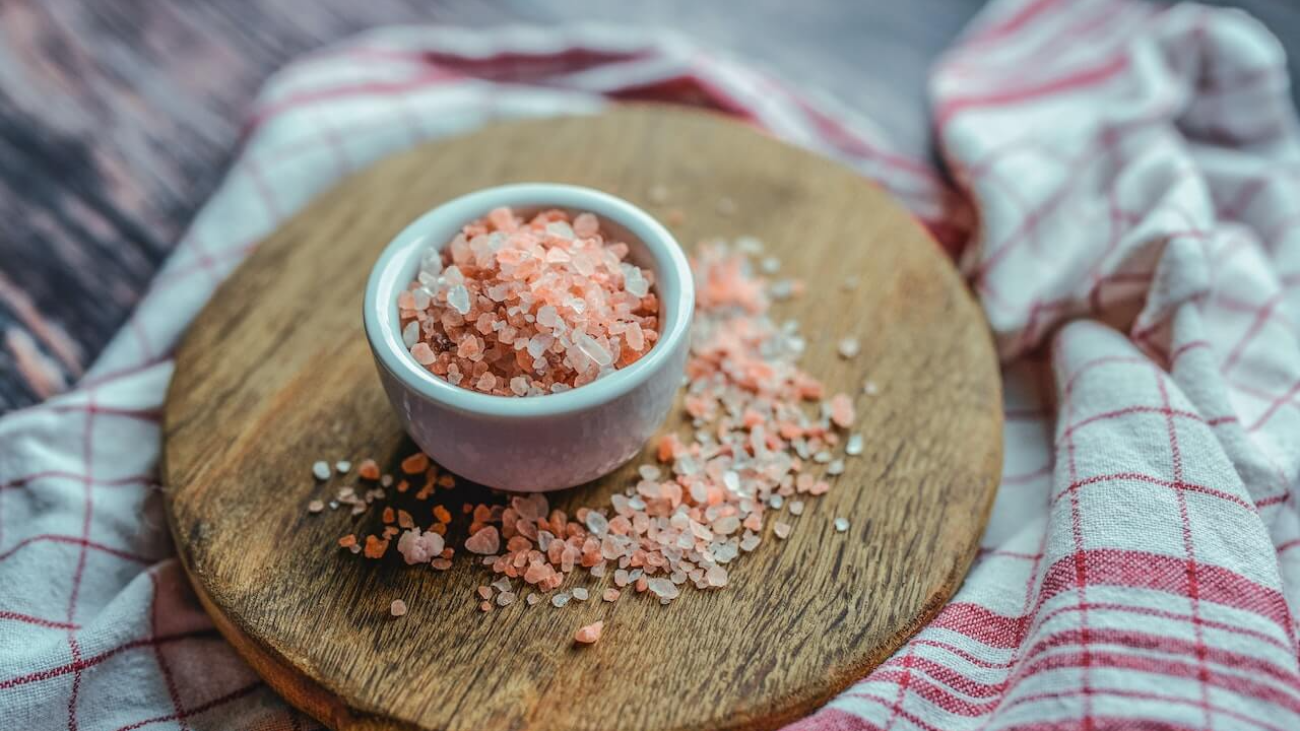
  5. Large Pink Salt Chunks: Ideal for decorative salt lamps and cooking blocks.

How to Use Crest Pink Salt

  • Cooking: Use fine powder or grains for seasoning and flavoring.
  • Grinding: Coarse grains are perfect for salt grinders.
  • Decorative: Large chunks can be used for salt lamps or as serving blocks.
  • Health: Use fine powder for sole water or detox baths.

No matter how you use it, Crest Pink Salt is a natural, versatile product that adds value to your life.

d0296b5d794f3ba0a6aa7b4b1e003a96

The Health Benefits of Himalayan Pink Salt – Why Crest Pink Salt is a Must-Have

In a world filled with processed foods and artificial additives, Himalayan Pink Salt stands out as a natural, health-boosting alternative. At Crest Pink Salt, we’re passionate about bringing you the purest form of this ancient salt, packed with 84+ essential minerals that can transform your health.

Top Health Benefits of Crest Pink Salt

  1. Balances Body pH: Helps neutralize acidity and maintain a healthy pH level.
  2. Improves Hydration: Promotes proper fluid balance and prevents dehydration.
  3. Boosts Immunity: Contains natural antibacterial properties to fight harmful bacteria.
  4. Supports Digestion: Aids in nutrient absorption and improves gut health.
  5. Enhances Sleep Quality: Promotes relaxation and better sleep.
  6. Anti-Aging Properties: Rich in minerals that promote youthful, glowing skin.

How to Use Crest Pink Salt for Health

  • Sole Water: Mix a teaspoon of pink salt in a glass of water for a daily mineral boost.
  • Detox Baths: Add a cup of pink salt to your bath for relaxation and detoxification.
  • Cooking: Use it as a natural seasoning to enhance the flavor and nutritional value of your meals.

When you choose Crest Pink Salt, you’re not just adding flavor to your food – you’re investing in your health.

WhatsApp Image 2025-02-18 at 7.35.27 PM

Why Crest Pink Salt Stands Out – We Have Our Own Mining in Kalabagh, Punjab

When it comes to Himalayan Pink Salt, not all brands are created equal. At Crest Pink Salt, we take pride in the fact that we have our own mining operations in Kalabagh, Punjab, Pakistan. This gives us complete control over the quality and purity of our salt, ensuring that every grain you receive is 100% natural and packed with essential minerals.

The Kalabagh Advantage

Kalabagh is renowned for its rich deposits of Himalayan Pink Salt, which are millions of years old. By owning and operating our mines, we ensure that:

  • No Compromise on Quality: From extraction to processing, every step is carefully monitored to maintain the highest standards.
  • 100% Natural: Our salt is free from chemicals, preservatives, and additives.
  • Rich in Minerals: The salt from Kalabagh contains 84+ trace minerals, including iron, magnesium, and calcium, which are essential for good health.

From Mine to Your Table

Our mining process is designed to preserve the natural integrity of the salt. Here’s how we do it:

  1. Ethical Mining: We use sustainable practices to extract salt without harming the environment.
  2. Careful Processing: The salt is washed, sifted, and de-dusted to remove impurities.
  3. Quality Control: Every batch is tested to ensure it meets our strict quality standards.

When you choose Crest Pink Salt, you’re not just buying salt – you’re investing in a product that’s ethically sourced, naturally pure, and packed with health benefits.