
 Cart is empty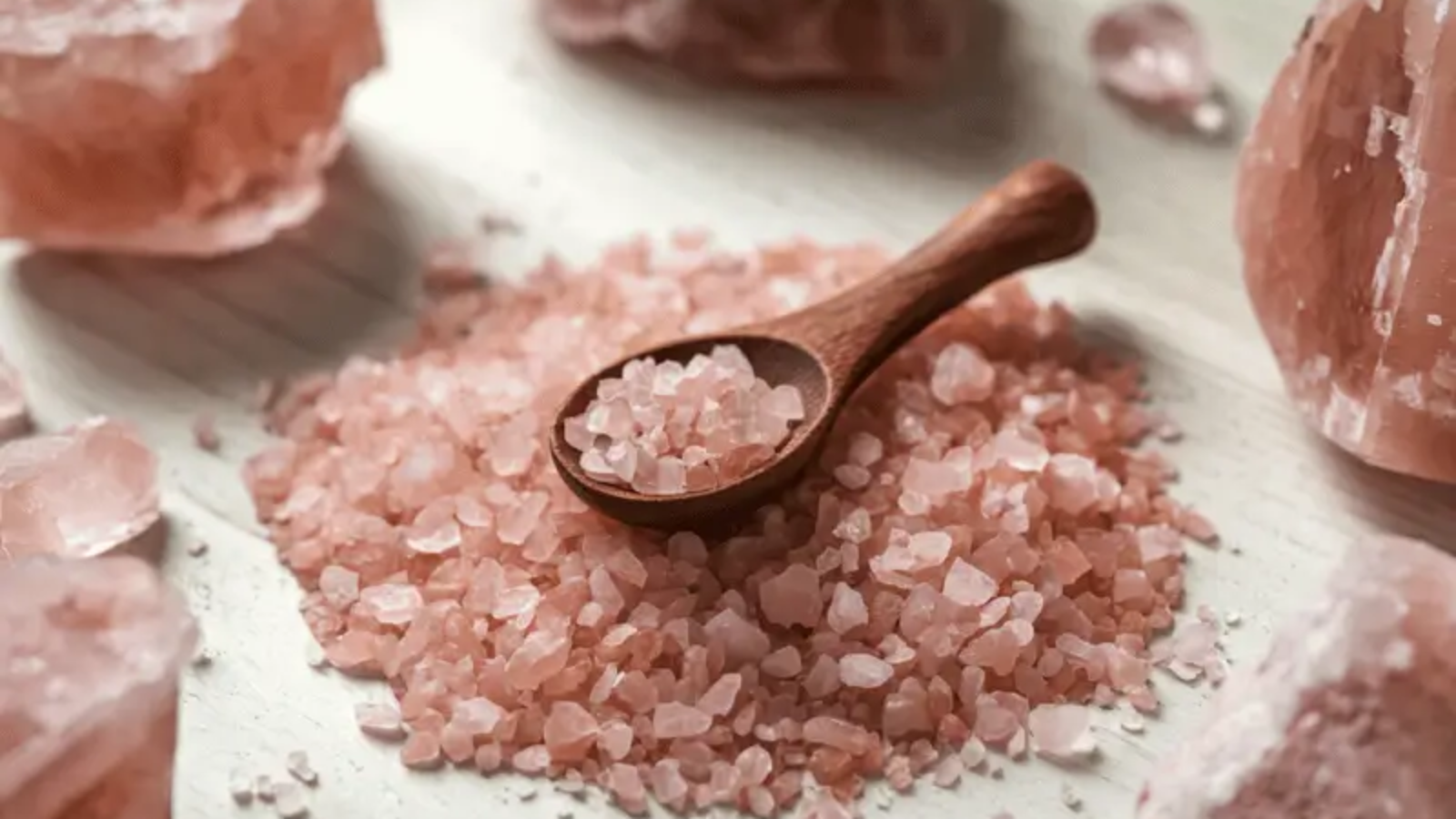
Many people are aware that pink salt is known to be one of Pakistan’s most famous national exports, coming directly from the salt range in the Punjab region. It is definite that it takes a lot of different steps for making it reach from the deep underground to your kitchen grinder. There is a whole ancient history involved, and it also has geological formations and some traditional mining techniques to help it reach your dishes.
In the article below, we are going to talk about everything relevant to the Himalayan salt, so you can know the details, so the next time you’re adding it to your dishes, you know what you’re having.
The Origins: Where Does Pink Salt Come From?
The pink salt is gathered from the Khewra salt mine. It is directly located in the foothills of the Salt Range in Pakistan. This salt is known to be a remnant of an ancient inland sea. This is the sea that evaporated about 250 to 300 million years ago.
For so many years, the tectonic plate movements completely buried the salt deposits within the Earth. We cannot forget to mention the pink color that comes from all the trace minerals that are trapped in the salt crystals when we are talking about the pink salt. This colour specifically comes from iron oxide, potassium, and magnesium.
The Mining Process: From Mountain to Surface
Now that you’re aware of where the salt is coming from, you would want to know what exactly the mining process is and how it comes from a mountain to the surface to your kitchen. Let’s dig deeper and talk in detail about the mining process of this pink salt.
The sea salt is harvested through evaporation, but this is not how Himalayan salt is mined because it is mined like a mineral using a method known as room and pillar. This is the technique that is used to ensure the structural integrity of the mine while also allowing for extraction.
There are three major steps that are involved in mining the pink salt that we are going to discuss below.
- The first process includes exploration and blasting. Geologists thoroughly identify the salt seams in the mountains. There are small and controlled blasts that are used to completely break the rock salt into some manageable chunks.
- The next step is the method that we have mentioned above, which is known as room and pillar extraction. Miners extract the salt from some specific areas that are known as rooms, while leaving massive columns of salt that are known as pillars to support the mountain’s weight above. Almost 50% of the salt is left behind, which is used to support the mountain.
- The last process is known as transportation. The raw boulders of salt are then loaded into small cars or onto the conveyor belt and then transported out of the tunnels.
Processing: Cleaning and Refining
The pink salt undergoes a really simple and chemical-free process to maintain its natural status once it reaches the surface. The workers sort the salt rocks manually. The salt rocks that are darker pink are used for decorative lamps, while the lighter ones are used for table salt.
The rocks are then washed with pure water so all the external dust and debris are thoroughly removed. There is no usage of bleaching agents or chemicals, and that is exactly what makes the pink salt really popular.
These salt pieces are crushed into thin pieces in large grinders that break the rocks into grain sizes and then from the crystals to fine powder. Salt is then kiln-dried to completely remove all the moisture before it is sealed and exported.
Bottom Line
The pink salt is known for all the benefits that it comes with because it is minimally processed and it’s completely free from all sorts of preservatives and additives. This salt can easily be used for your dishes, and you can also use it for seasoning purposes.
With that being said, if you’re looking for a business that sells authentic Himalayan Pink Salt and have not yet found one, then you must get in touch with us at Crest Pink Salt. You are definitely going to love the quality of our salt.
FAQ’s
How old are the Himalayan salt mines in Pakistan?
The deposits are about 250 million years old. But the Khewra mine was discovered in 326 BC. Modern mining of the Himalayan salt began during the British period in the 1870s.
How is pink salt mined from the mountains?
There is a method known as the room and pillar used for the mining of pink salt. The process involves drilling deep into the Salt Range. Then comes carving out the halls of salt while leaving some solid salt blocks behind so it can support the beams for the mine’s roof.
How is pink salt cleaned and processed?
The process that is used is mechanical. It includes hand sorting by colours, then washing the blocks with water to remove all sorts of impurities, and then crushing them into specific grain sizes. It is then air-dried. It is not like common table salt because it is not refined with any sort of anti-caking agents.

Leave A Comment